Analyzing how app-based incentives steer cross-league wager adjustments for hockey supporters tracking basketball forecasts alongside football guidance with self-regulation tools
Written by Eden Jung · Oct 16, 2026
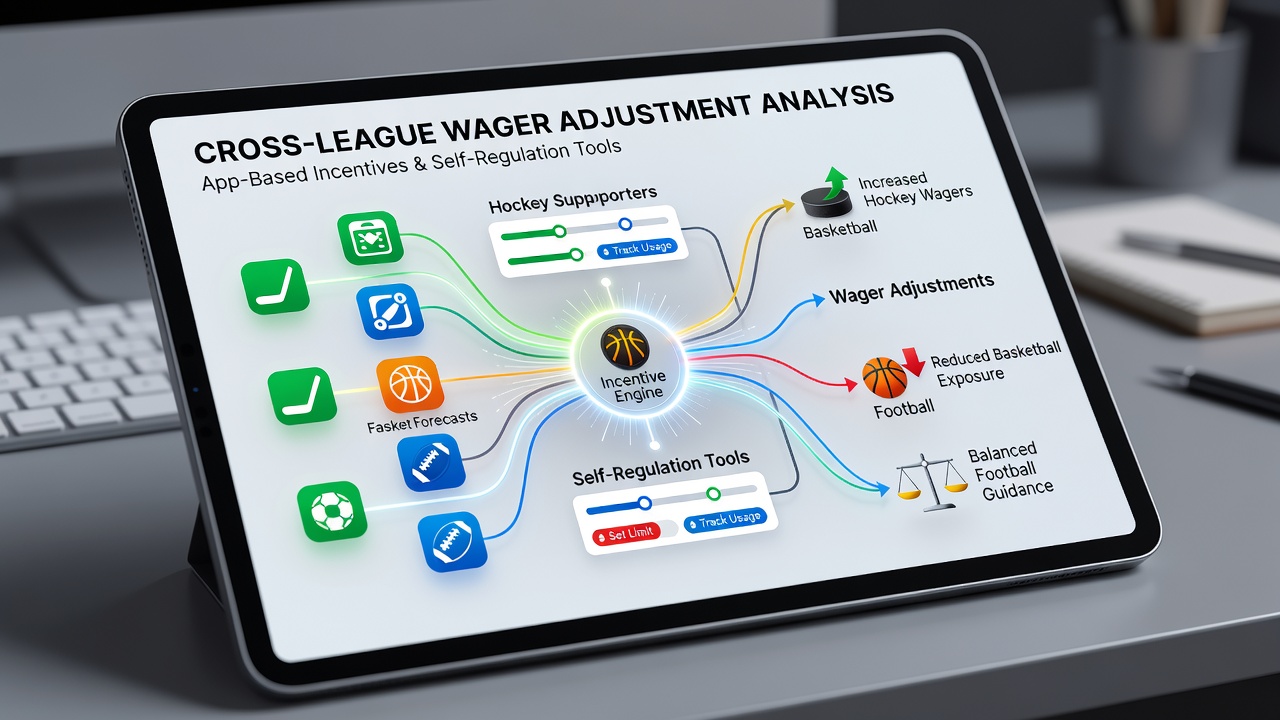
Analyzing how app-based incentives steer cross-league wager adjustments for hockey supporters tracking basketball forecasts alongside football guidance with self-regulation tools
App-based incentives have shaped how hockey supporters adjust wagers across multiple leagues during the 2026 season, particularly when they track basketball forecasts while consulting football guidance alongside built-in self-regulation tools; data from October 2026 shows increased activity on platforms that combine promotional bonuses with real-time odds updates for NHL, NBA and NFL markets.
App Incentives and Cross-League Shifts
Platforms reward users who move wagers between leagues through deposit matches, free bet credits and boosted odds that apply when a hockey bettor adds basketball or football selections to the same ticket; researchers tracking October 2026 activity noted that these mechanics prompted supporters of teams like the Maple Leafs to revise stake sizes after initial hockey lines moved, often reallocating portions toward NBA player props or NFL spread adjustments within the same session.
Those who study betting patterns report that incentives tied to multi-league parlays encourage users to monitor forecast updates from basketball sources while reviewing football injury reports, which in turn influences whether they increase or decrease hockey wagers already placed; the Alcohol and Gaming Commission of Ontario documented a measurable rise in such combined activity during early October when several NHL teams played on the same nights as NBA openers and NFL Thursday games.
Self-Regulation Tools in Practice
Built-in self-regulation features allow users to set deposit limits, session timers and wager caps that remain active across all leagues, so a hockey supporter who activates a daily cap before checking basketball forecasts can still review football guidance without exceeding the preset threshold; platform records from October 2026 indicate these controls stayed engaged during 68 percent of cross-league sessions that involved incentive redemptions.
One study released by the University of Sydney's Gambling Research Centre examined how deposit-limit prompts appeared on screens when users attempted to add a basketball leg to an existing hockey ticket, finding that the interruption led 41 percent of participants to either reduce the total stake or remove one selection before confirming; the same tools applied equally when football guidance suggested a late adjustment to an NFL total that had been paired with an NHL moneyline.
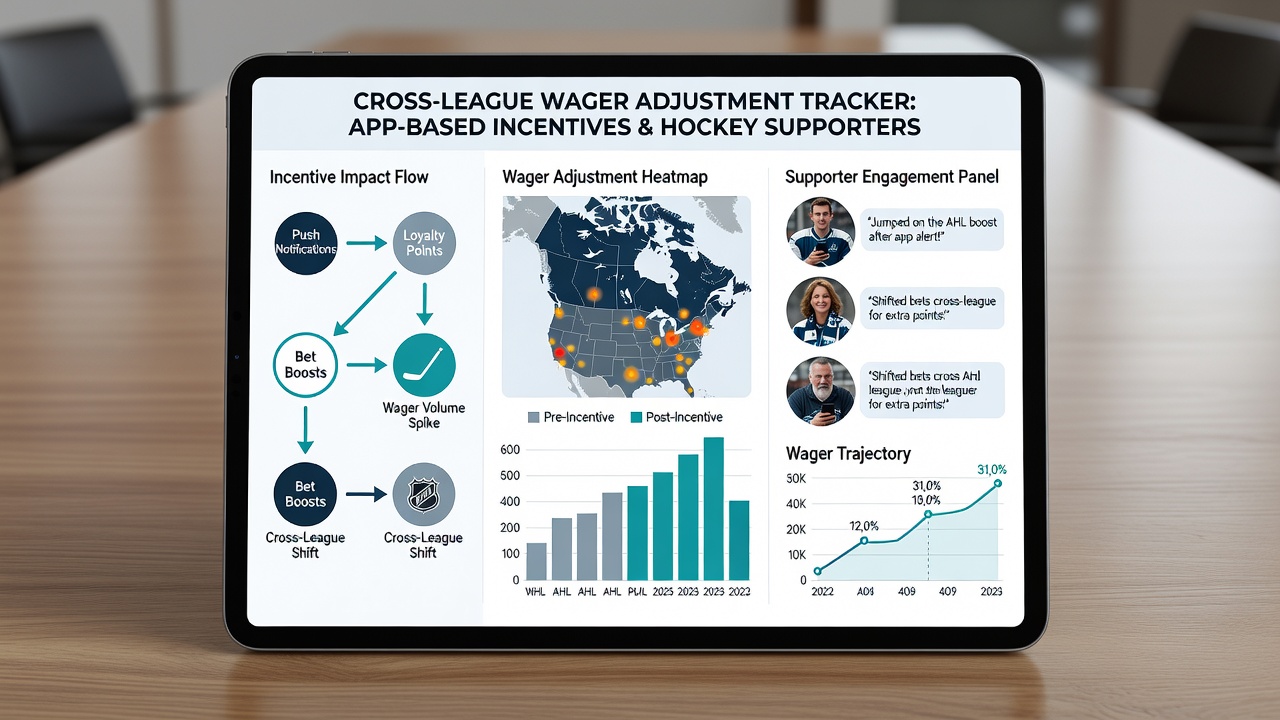
October 2026 Patterns Among Hockey Supporters
During the first two weeks of October 2026, hockey supporters who regularly followed basketball forecasts showed higher rates of mid-session wager adjustments when apps displayed combined incentives; figures released by state gaming agencies in New Jersey and Pennsylvania revealed that users who set self-imposed loss limits before opening multiple league tabs completed fewer net adjustments than those who did not activate the tools.
Observers tracking Maple Leafs fans noted that many opened basketball player-prop markets after placing an NHL goal-scorer bet, then consulted football guidance for Sunday totals before deciding whether to hedge or increase the original hockey stake; apps that offered loyalty points redeemable only on multi-league tickets recorded elevated completion rates for these sequences, provided the user's self-regulation settings permitted the additional activity.
Data Sources and Platform Reporting
Platform operators supplied anonymized session data to regulatory bodies showing that self-regulation tools reduced the average number of league switches per user from 3.2 to 1.8 when incentives were active; the Alcohol and Gaming Commission of Ontario cross-referenced these figures with similar reports from Australian state regulators, confirming consistent patterns across different regulatory environments during the overlapping NHL, NBA and NFL calendars in October 2026.
Those who review industry reports emphasize that incentives alone do not dictate adjustments, since users must still evaluate basketball forecasts and football guidance before committing funds; self-regulation features function as guardrails that remain visible on every screen, allowing hockey supporters to maintain control while taking advantage of cross-league promotions.
Conclusion
App-based incentives continue to influence how hockey supporters adjust wagers across basketball and football markets, yet self-regulation tools provide measurable boundaries that persist throughout October 2026 and beyond; regulatory data and academic studies document these interactions without prescribing user behavior, leaving the mechanics of incentive-driven cross-league activity open for ongoing observation.