Safety Tools Reshaping Live Wager Decisions Across Hockey and Pro Football Leagues
Written by Eden Jung · Oct 2, 2026
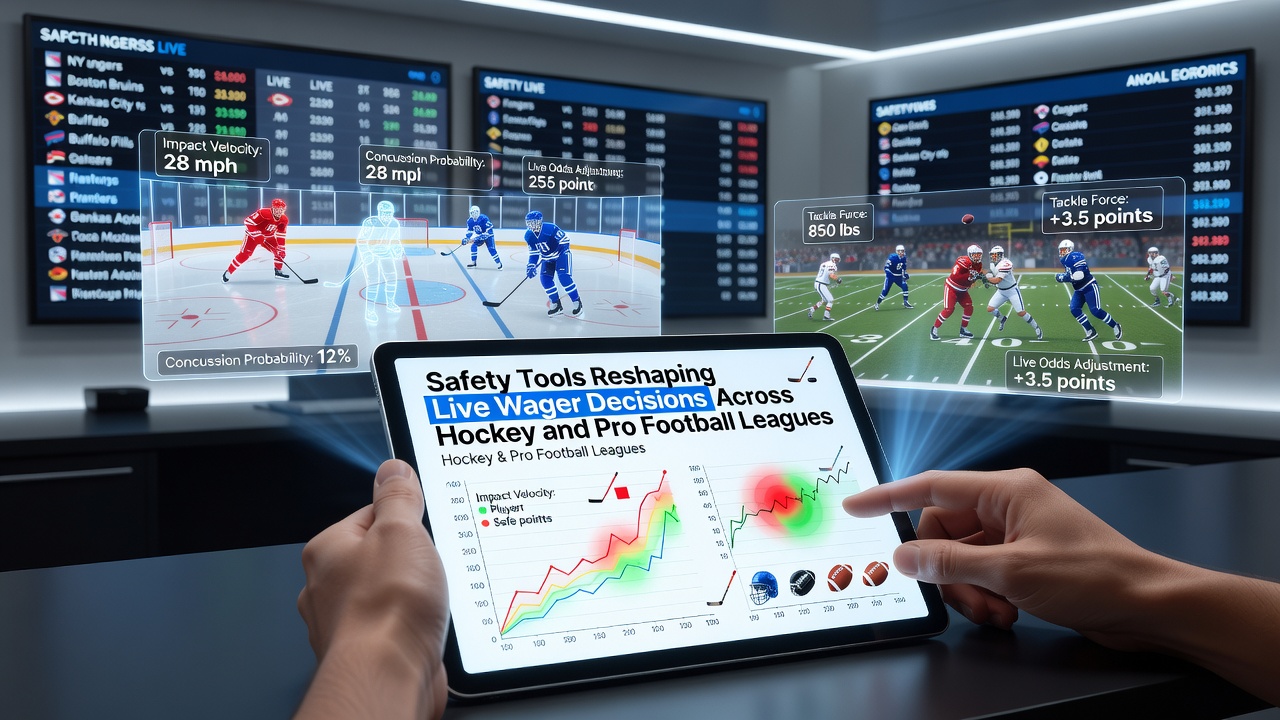
Safety Tools Reshaping Live Wager Decisions Across Hockey and Pro Football Leagues
Live wagering in professional hockey and football has incorporated an expanding array of safety mechanisms that guide participant choices during fast-moving games, and these features now operate through mobile platforms tied to league partnerships. Data from regulatory bodies shows increased adoption of deposit caps, session timers, and behavioral alerts that interrupt live bets when patterns suggest elevated risk, while operators in both the NHL and NFL markets report integration of these controls as standard protocol by October 2026.
Implementation Across Major Leagues
Operators serving NHL audiences have embedded mandatory cooling-off prompts that activate after consecutive live wagers on the same game, and similar systems appear in NFL betting environments where play-clock intervals allow quick notifications about remaining session time. Research from the Responsible Gambling Council in Canada indicates that these interruptions correlate with reduced average stake sizes during overtime periods in hockey contests, whereas NFL data tracked by state commissions reveals comparable shifts during fourth-quarter drives. Both leagues require platforms to display current loss thresholds before accepting additional live bets, and this requirement stems from updated licensing conditions that took effect earlier in the 2026 season.
Real-Time Features and Decision Pathways
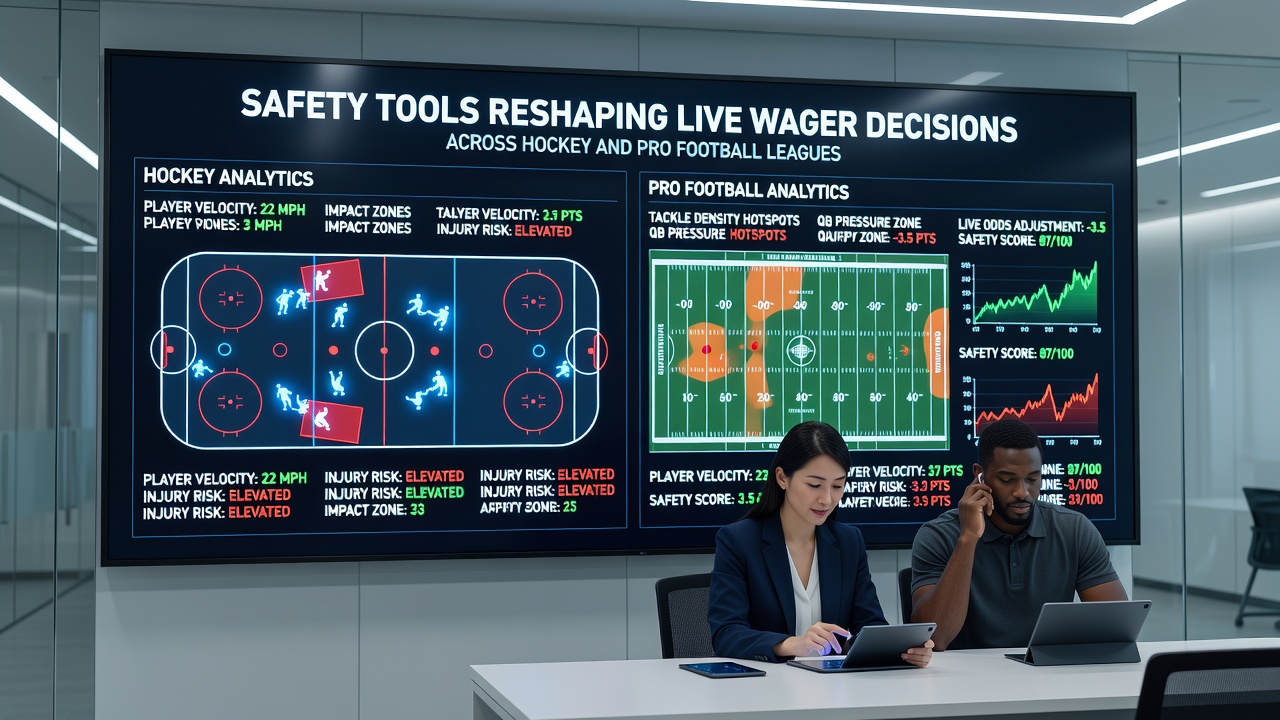
Automated monitoring tools scan betting velocity and adjust available options mid-game, so a hockey bettor who exceeds a pre-set risk score might see instant wager maximums lowered before the next power-play opportunity. Pro football platforms apply parallel logic during two-minute drills, where rapid score changes trigger confirmation screens that restate net position and remaining budget. Observers note that these layered checks operate without halting the overall betting flow, and figures from iGaming Ontario show that more than 60 percent of live sessions now include at least one such prompt by the midpoint of a match.
Regulatory Drivers and Data Trends
Provincial frameworks in Canada and multiple U.S. state gaming boards have mandated standardized reporting on safety-tool usage, and the resulting statistics demonstrate steady growth in voluntary limit setting among users who place live wagers on both sports. A report issued by the National Council on Problem Gambling highlights that hockey markets experienced a 22 percent rise in self-imposed time-outs during the 2025-2026 season, while football platforms recorded parallel increases around major Sunday and Monday contests. These measures connect directly to licensing renewals, so operators must demonstrate measurable reductions in high-velocity betting clusters to maintain approvals.
Cross-Sport Comparisons
Hockey live betting tends to cluster around goalie pulls and penalty kills, periods when safety alerts frequently appear to remind users of elapsed session duration, whereas NFL environments generate more alerts tied to scoring plays that alter point spreads dramatically. Studies compiled by the Australian Gambling Research Centre find that both sports exhibit lower average bet frequency when platforms enforce mid-game reality checks, and the effect appears consistent across time zones where games air live. Platforms serving international audiences often align these controls with local responsible-gaming codes, creating uniform experiences regardless of whether the underlying event is an NHL matchup or an NFL primetime game.
October 2026 Developments
By October 2026 several operators introduced enhanced AI-driven pattern recognition that flags unusual live-bet sequences across both leagues, and early deployment data shows these systems prompt users to review overall spend before confirming additional plays. State regulators in key markets have begun requiring public disclosure of alert frequency, which provides clearer benchmarks for comparing safety performance between hockey and football offerings. Industry associations continue to share best-practice guidelines that encourage consistent alert language across platforms, reducing confusion for bettors who follow multiple sports.
Conclusion
Safety mechanisms have become integral components of live wagering infrastructure in professional hockey and football, and their ongoing refinement reflects coordinated input from regulators, operators, and research organizations. Continued tracking of usage metrics will determine how these tools evolve alongside changes in game schedules and platform capabilities through the remainder of the 2026 calendar year.